
Energy Saving Solutions: Practical Tips to Reduce Energy Costs for Homes, Businesses & Industries
Energy Saving Solutions are becoming essential as electricity prices continue to rise, making it more important than ever for homeowners, businesses, and industrial facilities. Whether you own a villa, apartment, office, retail store, warehouse, hotel, or factory, improving energy efficiency isn’t just about reducing monthly utility bills—it also enhances comfort, extends the lifespan of equipment, and contributes to a more sustainable future. In a fast-growing city like Dubai, where cooling systems, electrical equipment, and commercial operations run almost year-round, energy consumption can account for a significant portion of operating expenses.
The good news is that reducing energy consumption doesn’t always require major investments. Many improvements begin with identifying where energy is being wasted and making strategic upgrades over time. From optimizing HVAC systems and upgrading electrical infrastructure to improving plumbing efficiency and integrating renewable energy, every step contributes toward lower operating costs and a more efficient property.
At Sahab Tech Group LLC, energy efficiency is approached from a complete building perspective. Instead of focusing on a single component, the company provides integrated solutions including HVAC & Air Conditioning, Electrical Services, Plumbing & Drainage, Solar Energy Solutions, Facility Management, General Maintenance & Repair, Fit-out & Renovation, and Civil Works. Together, these services help residential, commercial, and industrial clients improve building performance while reducing long-term operating costs.
Why Energy Efficiency Matters
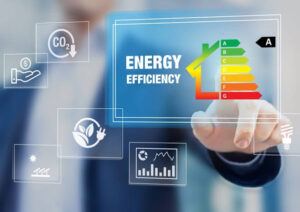
Energy efficiency is much more than simply turning off unused lights or lowering the thermostat. It involves using modern technologies, efficient equipment, preventive maintenance, and smarter operational practices to achieve the same—or even better—results while consuming less energy. Every building loses energy in different ways. Some waste electricity because of outdated HVAC equipment, while others suffer from poor insulation, inefficient electrical systems, or neglected maintenance.
For property owners in Dubai, investing in Energy Efficiency Dubai initiatives offers multiple long-term advantages. Lower electricity bills are the most obvious benefit, but improved indoor comfort, increased equipment reliability, reduced maintenance costs, and higher property value are equally important. Businesses also gain a competitive edge by reducing operational expenses and demonstrating a commitment to sustainability, which is increasingly valued by customers and stakeholders.
Modern buildings are expected to balance performance with environmental responsibility. Efficient systems reduce carbon emissions, minimize unnecessary resource consumption, and support national sustainability goals. Whether you’re managing a residential community or a commercial complex, implementing Smart Energy Solutions today can deliver measurable financial and environmental benefits for years to come.
💡 Expert Tip: Energy efficiency isn’t about sacrificing comfort. The goal is to eliminate wasted energy while maintaining or improving building performance.
Understanding Energy Consumption
Before reducing energy usage, it’s important to understand where electricity is actually being consumed. In most residential and commercial properties across Dubai, air conditioning systems account for the largest share of electricity consumption due to the region’s hot climate. Electrical equipment, water pumps, lighting, kitchen appliances, elevators, and office electronics also contribute significantly to monthly energy bills.
Many property owners are surprised to learn that aging equipment often consumes considerably more electricity than modern high-efficiency alternatives. An older HVAC system, for example, may continue operating without obvious problems while silently increasing electricity consumption every single day. Similarly, poor electrical connections, overloaded circuits, clogged plumbing systems affecting pumps, and neglected maintenance all contribute to unnecessary energy losses.
Understanding your building’s energy profile begins with an energy assessment. During an inspection, professionals evaluate major energy-consuming systems, identify inefficiencies, and recommend improvements based on actual operating conditions. This approach allows property owners to prioritize upgrades that offer the highest return on investment rather than replacing equipment unnecessarily.
Energy Efficiency Pyramid
             Renewable Energy
          ─────────────────────
         Efficient HVAC Systems
      ───────────────────────────
        Smart Energy Monitoring
    ─────────────────────────────
        Efficient Appliances
 ─────────────────────────────────
      Daily Energy Saving Habits
The pyramid illustrates an important principle: successful Building Energy Efficiency begins with everyday habits and efficient equipment before moving toward advanced technologies such as renewable energy systems.
📊 Did You Know? Even small operational improvements, such as optimizing thermostat settings or scheduling preventive HVAC maintenance, can noticeably reduce annual energy consumption without major capital investment.
Common Reasons Electricity Bills Increase
Many property owners assume higher electricity bills are caused solely by increased energy tariffs, but in reality, inefficient building systems are often the biggest contributor. Identifying the root causes of excessive consumption allows you to implement targeted improvements instead of temporary fixes.
Some of the most common reasons include:
| Cause | Impact on Energy Consumption |
|---|---|
| Aging HVAC equipment | Higher cooling costs and reduced efficiency |
| Poor preventive maintenance | Increased system workload and energy waste |
| Faulty electrical systems | Unnecessary power losses |
| Water pump inefficiencies | Higher electricity usage |
| Inefficient appliances | Increased daily consumption |
| Continuous equipment operation | Wasted electricity during idle periods |
| Poor building insulation | Greater cooling demand |
| Lack of energy monitoring | Hidden inefficiencies remain undetected |
For commercial buildings, warehouses, hotels, and industrial facilities, these issues become even more significant because equipment often operates continuously. A single inefficient system can increase annual electricity costs substantially over time.
This is why many businesses now combine Commercial Energy Management with regular inspections, preventive maintenance, and performance monitoring. Rather than reacting after problems occur, proactive maintenance helps maintain peak efficiency throughout the year.
🏡 Property Owner Tip: Schedule regular inspections for HVAC, electrical, and plumbing systems. Preventive maintenance often costs far less than the energy wasted by poorly performing equipment.
Top 25 Energy Saving Tips
Reducing electricity consumption doesn’t always require expensive renovations or replacing every piece of equipment in your property. In many cases, consistent maintenance, smarter operational practices, and strategic upgrades can significantly improve Building Energy Efficiency while lowering monthly utility bills. Whether you own a small apartment, a luxury villa, a retail outlet, a corporate office, or a large industrial facility, the right Energy Saving Solutions can deliver noticeable savings without compromising comfort or productivity.
The following recommendations are practical, cost-effective, and suitable for properties across Dubai. Many of these improvements can be implemented immediately, while others may form part of a long-term energy optimization plan. Businesses and homeowners that combine these practices with professional inspections and preventive maintenance often experience better equipment performance, lower repair costs, and improved energy efficiency throughout the year.
Residential Tips
Homeowners often underestimate how much electricity is wasted through everyday habits and neglected maintenance. Air conditioning systems, kitchen appliances, water heaters, and pumps account for the majority of residential energy consumption, especially during Dubai’s hotter months. By making a few smart adjustments and investing in preventive care, families can comfortably reduce electricity bills in Dubai while maintaining a pleasant indoor environment.
Some of the most effective Home Energy Saving Tips include:
- Schedule annual HVAC servicing before summer begins.
- Clean or replace AC filters every one to three months.
- Seal air leaks around windows and doors.
- Upgrade to energy-efficient household appliances when replacing old units.
- Use programmable or smart thermostats to avoid unnecessary cooling.
- Turn off electronics completely instead of leaving them on standby.
- Inspect plumbing systems regularly to ensure pumps operate efficiently.
- Fix leaking faucets and hidden water leaks promptly.
- Improve roof and wall insulation where practical.
- Perform routine electrical inspections to detect inefficient wiring or overloaded circuits.
Rather than waiting until equipment fails, proactive maintenance helps systems operate efficiently throughout the year. Professional General Maintenance & Repair services also identify hidden issues that could gradually increase electricity consumption without obvious warning signs.
⚡ Quick Energy Win: Raising your thermostat by just one or two degrees while you’re away from home can noticeably reduce cooling costs over an entire season.
Commercial Tips
Commercial buildings consume energy very differently than residential properties. Offices, restaurants, retail stores, hotels, schools, and healthcare facilities often operate for extended hours, making efficient energy management essential for controlling operational expenses. Every piece of equipment—from HVAC systems to elevators and electrical panels—plays a role in overall energy performance.
The following Office Energy Saving Tips can help commercial property owners improve efficiency:
- Conduct regular energy audits to identify unnecessary consumption.
- Optimize HVAC operating schedules based on occupancy.
- Install occupancy or motion sensors in low-traffic areas.
- Perform preventive maintenance on electrical systems.
- Upgrade outdated distribution panels where necessary.
- Monitor equipment operating hours.
- Maintain water pumps to prevent excessive energy use.
- Improve insulation in frequently cooled areas.
- Schedule preventive maintenance instead of reactive repairs.
- Train employees on simple energy-saving practices.
For businesses, energy efficiency isn’t simply about lowering electricity bills—it also improves employee comfort, customer experience, and equipment reliability. Preventive maintenance minimizes downtime while extending the lifespan of expensive building systems.
Organizations seeking comprehensive Commercial Energy Management often benefit from combining HVAC optimization, electrical upgrades, plumbing improvements, and facility management under a single service provider. This integrated approach ensures every building system works together efficiently instead of operating independently.
🏢 Business Insight: Preventive maintenance costs are usually far lower than emergency repairs and unexpected equipment failures.
Industrial Tips
Industrial facilities face unique energy challenges due to continuous production, heavy machinery, large cooling requirements, and extensive electrical infrastructure. Even small improvements in system efficiency can translate into substantial annual savings because equipment often operates around the clock.
Some highly effective industrial energy-saving practices include:
- Monitor machinery performance continuously.
- Upgrade inefficient motors where appropriate.
- Install Variable Speed Drives (VSDs) on pumps and fans.
- Optimize compressed air systems.
- Perform scheduled maintenance on production equipment.
- Improve ventilation efficiency.
- Regularly inspect electrical distribution systems.
- Reduce unnecessary idle operation.
- Track energy usage by department or production line.
- Review equipment loading to prevent unnecessary energy consumption.
Industrial facilities also benefit from comprehensive Facility Management, where maintenance schedules, inspections, and system optimization are coordinated to maximize operational efficiency. Integrating electrical, mechanical, and plumbing maintenance helps eliminate energy waste while improving equipment reliability.
🌱 Sustainability Insight: Improving industrial energy efficiency not only lowers operating costs but also reduces environmental impact by decreasing overall electricity demand and carbon emissions.
HVAC Energy Saving Tips
For most buildings in Dubai, HVAC systems represent the single largest contributor to electricity consumption. Whether it’s a residential villa, office tower, shopping center, hotel, or warehouse, air conditioning systems often account for nearly half—or even more—of total electricity usage. This makes HVAC optimization one of the highest-return investments for anyone looking to implement effective Energy Saving Solutions.
Efficient HVAC performance begins with regular maintenance. Dirty air filters, blocked condenser coils, refrigerant leaks, worn-out compressors, and poorly calibrated thermostats all force systems to work harder than necessary. As a result, electricity consumption increases while indoor comfort decreases. Preventive servicing ensures each component operates efficiently, extending equipment lifespan and reducing the likelihood of costly breakdowns during peak summer months.
Property owners should also pay close attention to airflow throughout the building. Blocked vents, poorly balanced ductwork, or obstructed return air pathways reduce cooling efficiency and create uneven indoor temperatures. Professional inspections can identify these hidden issues before they become expensive operational problems.
Another important consideration is equipment age. Modern HVAC systems are significantly more energy-efficient than units installed a decade or more ago. Although replacing aging equipment requires an upfront investment, the reduction in monthly electricity bills often provides attractive long-term returns. Businesses operating large commercial buildings may benefit even further by integrating centralized monitoring systems that continuously optimize cooling performance.
Energy Saving Journey
Inspection
     │
     ▼
Identify Waste
     │
     ▼
Upgrade Equipment
     │
     ▼
Reduce Consumption
     │
     ▼
Lower Bills
     │
     ▼
Continuous Monitoring
This simple process highlights how sustainable energy savings are achieved. Rather than relying on one-time fixes, continuous monitoring and preventive maintenance create lasting improvements in Building Energy Efficiency.
💡 Expert Tip: Schedule professional HVAC maintenance at least twice a year—before the peak summer season and again after heavy usage. Regular servicing helps maintain efficiency, reduces unexpected breakdowns, and keeps operating costs under control.
Electrical Upgrades That Save Energy
Electrical systems are the backbone of every modern building, yet they are often overlooked when discussing Energy Saving Solutions. While HVAC systems typically consume the largest share of electricity, an outdated or poorly maintained electrical infrastructure can silently increase energy consumption, create safety risks, and shorten the lifespan of connected equipment. Whether you own a villa, office, warehouse, hotel, or industrial facility, investing in electrical efficiency is one of the smartest ways to improve overall Building Energy Efficiency.
Older electrical panels, loose wiring, overloaded circuits, and aging switchgear create resistance within the system, leading to unnecessary energy losses. These problems may not be immediately noticeable, but they gradually increase electricity consumption while placing additional strain on expensive equipment. Regular inspections by qualified electrical professionals help identify hidden inefficiencies before they become costly repairs.
Modern electrical upgrades also improve reliability and safety. Businesses that rely on uninterrupted operations benefit from stable power distribution, improved load balancing, and preventive maintenance that minimizes downtime. Combined with professional Electrical Services, these improvements contribute to lower operating costs while enhancing the overall performance of the building.
Some of the most effective electrical upgrades include:
| Electrical Upgrade | Primary Benefit |
|---|---|
| Modern Distribution Panels | Improved power efficiency |
| Load Balancing | Reduced energy waste |
| Power Quality Analysis | Better equipment performance |
| Smart Circuit Monitoring | Detects unnecessary consumption |
| Preventive Electrical Maintenance | Lower repair costs |
| Efficient Power Distribution | Reduced transmission losses |
⚡ Quick Energy Win: Even tightening loose electrical connections during routine maintenance can improve system efficiency and prevent unnecessary energy loss.
Water Saving & Pump Efficiency
Water conservation and energy efficiency often go hand in hand. Every time a pump moves water through a residential, commercial, or industrial property, electricity is consumed. If plumbing systems are leaking, pumps are oversized, or equipment is poorly maintained, both water and electricity are wasted simultaneously. That’s why efficient plumbing plays an important role in comprehensive Energy Saving Solutions.
In many Dubai properties, water pumps operate continuously to maintain pressure across multiple floors or distribute water throughout large facilities. As pumps age, they require more electricity to perform the same work. Hidden leaks, blocked pipes, and pressure imbalances further increase operating costs without property owners realizing it.
Professional Plumbing & Drainage services help identify these inefficiencies before they escalate into expensive utility bills. Routine inspections, leak detection, pipe maintenance, and pump optimization ensure that water systems operate at peak efficiency while consuming less electricity.
Common water-saving improvements include:
- Repairing hidden pipe leaks.
- Optimizing pump pressure settings.
- Installing efficient pumping equipment.
- Regular cleaning of water storage systems.
- Preventive maintenance of plumbing infrastructure.
- Monitoring water consumption trends.
Beyond reducing utility bills, efficient plumbing also extends equipment lifespan and improves overall building reliability. Commercial facilities such as hotels, hospitals, restaurants, and schools particularly benefit from preventive plumbing maintenance because their water demand remains consistently high throughout the year.
🏡 Property Owner Tip: A small hidden leak can waste thousands of liters of water annually while forcing pumps to consume additional electricity every single day.
Solar Energy Solutions
Renewable energy is becoming an increasingly attractive option for property owners seeking long-term reductions in electricity costs. Although improving efficiency should always come first, integrating renewable energy into an already optimized building can significantly enhance overall performance. This is why many organizations combine Solar Energy Solutions with HVAC optimization, electrical improvements, and ongoing maintenance rather than relying on solar energy alone.
Solar technology converts abundant sunlight into usable electricity, helping offset daytime energy consumption. Residential villas, office buildings, warehouses, schools, hospitals, hotels, and industrial facilities can all benefit depending on roof space, energy demand, and local regulations. The financial return varies by property type and usage patterns, but long-term savings can be substantial when systems are properly designed.
At Sahab Tech Group LLC, solar solutions are part of a broader energy strategy rather than a standalone upgrade. By first improving HVAC performance, optimizing electrical systems, and reducing unnecessary energy waste, property owners can maximize the value of their renewable energy investment.
Energy Efficiency Pyramid
             Renewable Energy
          ─────────────────────
         Efficient HVAC Systems
      ───────────────────────────
        Smart Energy Monitoring
    ─────────────────────────────
        Efficient Appliances
 ─────────────────────────────────
      Daily Energy Saving Habits
The pyramid illustrates an important concept: renewable energy delivers the greatest benefits when built upon an already energy-efficient building.
🌱 Sustainability Insight: The cleanest energy is the energy you never have to use. Reducing consumption first often delivers faster financial returns than generating additional electricity.
Smart Energy Monitoring
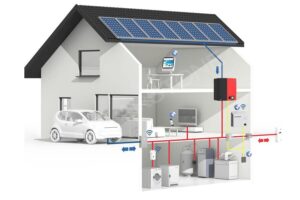
One of the biggest challenges property owners face is understanding exactly where electricity is being consumed. Without accurate data, energy-saving decisions are based on assumptions rather than measurable performance. Smart Energy Solutions eliminate this uncertainty by providing real-time insights into building energy usage.
Modern energy monitoring systems track electricity consumption across different equipment, departments, or building zones. Instead of waiting for the monthly utility bill, property owners can identify unusual consumption patterns immediately and take corrective action before costs escalate.
Smart monitoring provides valuable information such as:
- Daily electricity consumption trends.
- Peak demand periods.
- Equipment operating hours.
- Unusual energy spikes.
- System performance comparisons.
- Maintenance alerts.
Commercial buildings and industrial facilities particularly benefit because continuous monitoring helps facility managers optimize operations while reducing unnecessary energy consumption. When combined with Facility Management services, monitoring systems support proactive maintenance strategies that improve equipment reliability and reduce long-term operating costs.
📊 Did You Know? Many businesses discover hidden energy waste only after installing monitoring systems that reveal equipment operating outside normal business hours.
Estimated Energy Savings by Upgrade
Every property is different, so actual savings depend on building size, equipment condition, occupancy, and operating hours. However, the following estimates provide a realistic indication of potential improvements after implementing common Energy Saving Solutions.
| Upgrade | Estimated Energy Savings |
|---|---|
| Smart Thermostat | 10–20% |
| Motion Sensors | 15–30% |
| Efficient HVAC System | 20–35% |
| Solar Energy System | Depends on usage |
| Energy Monitoring System | 5–15% |
| Pump Optimization | 10–20% |
| Electrical System Improvements | 5–12% |
These figures represent estimated market averages and should be considered general guidance rather than guaranteed savings. A professional energy assessment provides a much more accurate estimate based on your property’s unique operating conditions.
Estimated Installation Costs (Dubai Market Estimates)
The cost of implementing energy-efficient improvements varies depending on building size, equipment specifications, and project complexity. The following table provides approximate market ranges commonly seen in Dubai. These figures are estimates only and should not be treated as fixed quotations.
| Upgrade | Estimated Dubai Market Range (AED) |
|---|---|
| HVAC Efficiency Upgrade | 3,000 – 25,000+ |
| Smart Thermostat | 500 – 2,000 |
| Motion Sensors | 150 – 800 per unit |
| Energy Monitoring System | 2,500 – 20,000+ |
| Electrical Improvements | 1,500 – 30,000+ |
| Water-Saving Upgrades | 500 – 10,000+ |
| Variable Speed Drives | 2,000 – 15,000+ |
| Solar Energy System | Depends on system size |
| Building Energy Optimization | Project-specific |
💡 Expert Tip: Instead of completing every upgrade at once, prioritize improvements that offer the fastest return on investment—typically HVAC optimization, preventive maintenance, and electrical system upgrades.
Annual Energy Saving Checklist
Improving Energy Saving Solutions isn’t a one-time project—it’s an ongoing process. Even the most efficient HVAC systems, electrical infrastructure, and plumbing networks require regular inspections and maintenance to continue performing at their best. Without preventive care, equipment gradually loses efficiency, resulting in higher electricity bills, more frequent breakdowns, and expensive emergency repairs.
Creating an annual maintenance schedule helps property owners stay ahead of these issues. Whether you manage a residential villa, an office building, a hotel, or an industrial facility, following a structured checklist ensures that every major building system continues operating efficiently throughout the year.
Annual Building Energy Checklist
| Task | Recommended Frequency |
|---|---|
| HVAC System Inspection | Every 6 Months |
| Air Filter Cleaning/Replacement | Every 1–3 Months |
| Electrical System Inspection | Annually |
| Plumbing Leak Inspection | Every 6 Months |
| Water Pump Performance Check | Annually |
| Energy Consumption Review | Monthly |
| Facility Maintenance Audit | Quarterly |
| Solar System Inspection | Annually |
| Equipment Preventive Maintenance | As Per Manufacturer Schedule |
By following a proactive maintenance schedule, property owners can significantly reduce energy waste while extending the lifespan of valuable building assets. Instead of reacting to costly equipment failures, preventive maintenance ensures systems continue operating efficiently year after year.
⚡ Quick Energy Win: Reviewing your electricity bills every month can help identify sudden increases in consumption before they become expensive long-term problems.
Estimated Savings by Property Type
Every property has unique energy requirements, meaning the most effective upgrades vary depending on the building’s purpose. A residential apartment has very different energy demands compared to a warehouse or manufacturing facility. Understanding where to invest first allows property owners to maximize returns while improving Building Energy Efficiency.
The following table highlights some of the most effective improvements for common property types.
| Property Type | Recommended Upgrades |
|---|---|
| Apartment | HVAC optimization, efficient appliances, smart controls |
| Villa | HVAC upgrades, Solar Energy Solutions, insulation improvements |
| Office | Motion sensors, efficient cooling, electrical optimization |
| Retail Store | Preventive maintenance, HVAC scheduling, energy monitoring |
| Hotel | Central HVAC optimization, plumbing efficiency, facility management |
| Warehouse | High-efficiency HVAC, energy monitoring, electrical upgrades |
| Factory | Variable speed drives, energy monitoring, optimized motors |
| School | HVAC maintenance, water-saving upgrades, electrical inspections |
| Hospital | Preventive maintenance, energy monitoring, efficient cooling systems |
Rather than applying the same strategy to every building, customized Smart Energy Solutions provide better long-term results. A professional assessment helps prioritize upgrades based on your property’s age, occupancy, equipment condition, and operational requirements.
Energy Priority Matrix
Not every improvement delivers the same return on investment. The matrix below helps property owners identify which upgrades should generally be prioritized first.
| Priority | Upgrade |
|---|---|
| ⭐⭐⭐⭐⭐ | HVAC Optimization |
| ⭐⭐⭐⭐⭐ | Electrical System Improvements |
| ⭐⭐⭐⭐ | Solar Energy Solutions |
| ⭐⭐⭐⭐ | Smart Energy Monitoring |
| ⭐⭐⭐ | Plumbing & Pump Efficiency |
| ⭐⭐⭐ | Building Maintenance & Preventive Repairs |
For most properties, HVAC and electrical improvements provide the quickest and most measurable reductions in energy consumption. Once these systems are optimized, renewable energy and advanced monitoring technologies can further improve long-term efficiency.
Before vs. After: The Impact of Energy Optimization
Many property owners don’t realize how much difference a comprehensive energy improvement strategy can make until they compare building performance before and after implementing upgrades.
| Before | After |
|---|---|
| High electricity usage | Optimized energy consumption |
| Poor AC performance | Efficient and consistent cooling |
| Reactive maintenance | Preventive maintenance strategy |
| Manual system operation | Intelligent scheduling and monitoring |
| Frequent equipment failures | Improved reliability and longer equipment lifespan |
| Rising operating costs | Better control over utility expenses |
These improvements don’t happen overnight. They result from combining preventive maintenance, professional inspections, efficient equipment, and ongoing monitoring into a single long-term strategy.
🌱 Sustainability Insight: Every kilowatt-hour saved reduces both operating costs and environmental impact, making energy efficiency a smart financial and environmental investment.
Why Choose Sahab Tech Group LLC
Choosing the right service provider is just as important as selecting the right energy-saving upgrades. Successful energy optimization requires expertise across multiple building systems—not just one specialty. At Sahab Tech Group LLC, energy efficiency is approached holistically, ensuring that HVAC systems, electrical infrastructure, plumbing, facility management, and renewable energy solutions work together to maximize overall building performance.
Rather than offering isolated services, Sahab Tech Group LLC provides integrated solutions tailored to residential, commercial, and industrial properties across Dubai. Whether you need HVAC & Air Conditioning, Electrical Services, Plumbing & Drainage, General Maintenance & Repair, Facility Management, Fit-out & Renovation, Civil Works, or Solar Energy Solutions, every project is planned with long-term efficiency, reliability, and cost savings in mind.
The company’s experienced team focuses on identifying opportunities to reduce unnecessary energy consumption while improving comfort, equipment performance, and operational efficiency. Through detailed inspections, preventive maintenance, and customized upgrade recommendations, clients receive practical solutions that deliver measurable value instead of temporary fixes.
From small residential properties to large commercial developments and industrial facilities, Sahab Tech Group LLC is committed to helping clients improve building performance while reducing long-term operating costs. By combining technical expertise with a customer-focused approach, the company has become a trusted partner for organizations looking to invest in sustainable, energy-efficient building solutions.
💡 Expert Tip: The best energy-saving investment isn’t always the most expensive one—it’s the upgrade that addresses the biggest source of energy waste in your building.

Conclusion
Energy efficiency is no longer just an environmental goal—it’s a smart financial decision for every property owner. Rising electricity costs, increasing operational demands, and growing sustainability expectations make Energy Saving Solutions an essential part of modern building management. Whether you’re responsible for a home, office, retail store, warehouse, hotel, or industrial facility, even small improvements can lead to meaningful reductions in energy consumption and operating expenses over time.
The most effective strategy begins with understanding how your building uses energy. Regular inspections, preventive maintenance, HVAC optimization, electrical upgrades, plumbing improvements, smart monitoring, and renewable energy all contribute to better building performance when implemented as part of a comprehensive plan. Instead of focusing on a single upgrade, combining multiple efficiency measures often delivers the greatest long-term return on investment.
If you’re ready to improve Energy Efficiency Dubai, reduce electricity costs, and enhance overall building performance, partnering with experienced professionals makes all the difference. With its comprehensive range of integrated building services, Sahab Tech Group LLC is well-positioned to help residential, commercial, and industrial clients create more efficient, reliable, and sustainable properties for the future.
Frequently Asked Questions
1. What are the most effective energy-saving solutions for buildings?
The most effective solutions include HVAC optimization, preventive maintenance, electrical system upgrades, energy monitoring, plumbing efficiency improvements, and renewable energy integration. The ideal combination depends on the property’s size, age, and operational requirements.
2. How can I reduce my electricity bills in Dubai?
You can reduce electricity bills by maintaining your HVAC system regularly, improving electrical efficiency, repairing plumbing leaks, monitoring energy consumption, and upgrading outdated equipment with energy-efficient alternatives.
3. How often should HVAC systems be serviced?
Most HVAC professionals recommend servicing air conditioning systems at least twice a year, particularly before and after the peak summer season, to maintain efficiency and prevent unexpected breakdowns.
4. Are energy monitoring systems worth the investment?
Yes. Smart energy monitoring systems help identify hidden energy waste, track equipment performance, and provide real-time insights that allow property owners to optimize electricity usage and reduce operating costs.
5. Why is preventive maintenance important for energy efficiency?
Preventive maintenance ensures HVAC systems, electrical equipment, plumbing infrastructure, and other building components continue operating efficiently. Regular maintenance reduces energy waste, minimizes repair costs, extends equipment lifespan, and improves overall building reliability.
Ready to reduce your building’s energy consumption? Whether you’re planning HVAC upgrades, electrical improvements, facility management, plumbing optimization, or renewable energy projects, Sahab Tech Group LLC can help you implement practical, cost-effective solutions tailored to your property’s needs. Investing in energy efficiency today means lower operating costs, improved comfort, and a more sustainable future for years to come.