
How to Prevent Pipe Leaks A Complete Guide to Protecting Your Property in Dubai
Water pipe leaks are among the most common plumbing problems faced by homeowners and businesses. While a small drip may seem harmless at first, it can gradually lead to water damage, mould growth, higher utility bills, weakened building materials, and costly repairs if left untreated. Fortunately, understanding How to Prevent Pipe Leaks can help you avoid these problems while protecting your property and reducing long-term maintenance costs.
Whether you own an apartment, villa, townhouse, office, restaurant, hotel, or commercial building, your plumbing system works continuously behind walls, beneath floors, and above ceilings. Because much of the pipework remains hidden, leaks often go unnoticed until they cause visible damage. Therefore, regular inspections and preventive maintenance are essential for keeping your plumbing system in excellent condition.
Pipe leaks can occur for many reasons, including aging pipes, corrosion, excessive water pressure, poor installation, clogged drains, loose fittings, and changing temperatures. However, many of these issues can be identified early through routine maintenance and professional plumbing inspections. Taking preventive action not only extends the lifespan of your plumbing system but also helps maintain a safer and more comfortable property.
In this complete guide, you’ll discover the most common causes of pipe leaks, practical prevention strategies, early warning signs, maintenance tips, repair options, and estimated plumbing costs in Dubai. By the end of this article, you’ll have the knowledge needed to reduce the risk of unexpected plumbing emergencies and make informed decisions about maintaining your property’s water system.
At Sahab Tech Group LLC, we provide professional plumbing services, leak detection, preventive maintenance, pipe repairs, and complete property maintenance solutions across Dubai. Our experienced technicians help residential and commercial property owners identify plumbing issues before they become major problems.
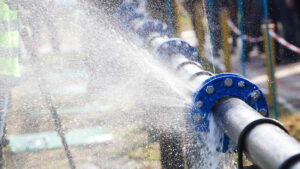
Why Pipe Leak Prevention Matters
Many people only think about plumbing when something goes wrong. However, waiting until a pipe bursts or a leak becomes visible often results in more expensive repairs than routine preventive maintenance. For this reason, taking a proactive approach to plumbing care is one of the smartest investments property owners can make.
Even a small leak can waste a significant amount of water over time. Besides increasing your monthly utility bills, continuous water exposure may damage walls, ceilings, flooring, insulation, cabinets, and electrical systems. In apartment buildings and commercial properties, leaks can even affect neighbouring units, leading to additional repair costs and inconvenience.
Furthermore, hidden moisture creates ideal conditions for mould and mildew, which may affect indoor air quality and require specialist remediation if left untreated. Therefore, preventing pipe leaks is not only about protecting your plumbing system but also about preserving the overall health and value of your property. Following these plumbing steps helps property owners learn how to prevent pipe leaks effectively.
Routine inspections, timely repairs, and quality plumbing installations help ensure that small issues are addressed before they escalate into emergencies.
Benefits of Preventing Pipe Leaks
| Benefit | Why It Matters |
|---|---|
| Lower Water Bills | Prevents unnecessary water wastage |
| Reduced Repair Costs | Identifies minor issues before they become major repairs |
| Protection Against Water Damage | Helps safeguard walls, ceilings, flooring, and furniture |
| Longer Pipe Lifespan | Regular maintenance extends the service life of plumbing systems |
| Better Water Efficiency | Maintains consistent water flow and pressure |
| Improved Property Value | Well-maintained plumbing supports long-term property condition |
| Healthier Indoor Environment | Reduces the risk of mould and damp-related issues |
| Greater Peace of Mind | Minimizes the likelihood of unexpected plumbing emergencies |
What Causes Pipe Leaks?
Understanding why pipe leaks occur is the first step toward preventing them. Although plumbing systems are designed to last for many years, several factors can weaken pipes, joints, and fittings over time.
Below are the most common causes of plumbing leaks found in residential and commercial properties throughout Dubai. Following these plumbing steps helps property owners learn how to prevent pipe leaks effectively.
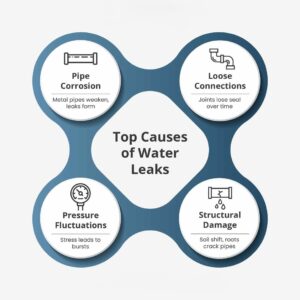
1. High Water Pressure
Many property owners assume that stronger water pressure is always beneficial. However, excessively high pressure places constant stress on pipes, joints, valves, and plumbing fixtures.
Over time, this additional pressure may cause:
- Joint failures
- Loose pipe connections
- Cracked fittings
- Premature pipe wear
- Appliance damage
Installing a pressure-reducing valve and periodically testing your water pressure can help protect your plumbing system and extend its lifespan.
2. Corrosion
Corrosion is a gradual process that weakens metal pipes from the inside. As minerals and moisture react with the pipe material, rust and deterioration can develop, eventually leading to small leaks or complete pipe failure. Following these plumbing steps helps property owners learn how to prevent pipe leaks effectively.
Common signs of corrosion include:
- Rust-coloured water
- Discoloured fixtures
- Reduced water flow
- Visible rust on exposed pipes
- Metallic taste in water
If corrosion is identified early, replacing affected sections before they fail can prevent more extensive water damage.
3. Poor Installation
Even high-quality plumbing materials can develop problems if they are not installed correctly.
Poor workmanship may result in:
- Misaligned pipes
- Weak joints
- Loose fittings
- Inadequate pipe support
- Improper sealing
Therefore, hiring experienced plumbing professionals is essential to ensure your system performs reliably for years to come.
4. Aging Pipes
Every plumbing system has a limited service life. As pipes age, they naturally become more vulnerable to leaks due to wear, corrosion, and repeated pressure changes.
Older properties may contain plumbing materials that no longer meet modern performance standards. Consequently, routine inspections become increasingly important as the system ages. Following these plumbing steps helps property owners learn how to prevent pipe leaks effectively.
Some common signs of aging pipes include:
- Frequent repairs
- Reduced water pressure
- Discoloured water
- Visible deterioration
- Persistent leaks
Replacing aging sections before they fail can often be more cost-effective than dealing with repeated emergency repairs.
5. Clogged Pipes
Blocked drains and pipes do more than slow water flow—they can also increase pressure within the plumbing system.
Common causes include:
- Grease buildup
- Soap residue
- Hair accumulation
- Food waste
- Foreign objects
- Mineral deposits
Regular drain cleaning helps maintain proper water flow while reducing unnecessary stress on the pipework.
6. Temperature Changes
Although Dubai has a warm climate, temperature fluctuations can still affect plumbing systems, particularly in outdoor installations, rooftops, and exposed pipework.
As temperatures change, pipes expand and contract slightly. Over time, repeated movement can weaken joints, loosen fittings, and contribute to small leaks.
Proper pipe insulation helps reduce these effects while protecting the plumbing system from external environmental conditions.
7. Pipe Movement and Building Settlement
Buildings naturally experience slight movement over time. Likewise, vibrations from nearby construction, renovations, or heavy equipment may place additional stress on plumbing connections. Following these plumbing steps helps property owners learn how to prevent pipe leaks effectively.
This movement can lead to:
- Loose fittings
- Hairline cracks
- Joint separation
- Pipe misalignment
Routine inspections allow these issues to be identified before they become major plumbing failures.
8. Tree Root Intrusion
For villas, landscaped properties, and commercial developments, underground pipes may be affected by nearby trees and large shrubs.
Tree roots naturally seek moisture and can gradually enter small cracks in underground pipes. As the roots grow, they may obstruct water flow, damage pipe walls, or eventually cause leaks.
Proper landscaping and periodic underground pipe inspections can help minimize this risk.
9. Loose Fittings
Pipe connections naturally experience slight movement due to water flow and daily use.
Over time, fittings may loosen because of:
- Vibration
- Water pressure changes
- Normal wear
- Improper installation
Fortunately, identifying and tightening loose fittings early is usually a simple and inexpensive maintenance task.
10. Worn-Out Seals
Many plumbing fixtures rely on rubber seals, washers, and gaskets to prevent water from escaping.
These components gradually deteriorate because of:
- Age
- Heat
- Mineral deposits
- Continuous water exposure
Replacing worn seals during routine plumbing maintenance helps prevent many common household leaks.
11. Water Hammer
Water hammer occurs when water flowing through pipes suddenly stops or changes direction, creating a pressure surge inside the plumbing system.
You may notice:
- Loud banging noises
- Vibrating pipes
- Shaking fixtures
If left unresolved, repeated water hammer can weaken pipe joints and eventually contribute to leaks.
Installing water hammer arrestors or adjusting system pressure can help eliminate this issue.
12. Lack of Preventive Maintenance
Perhaps the most common cause of plumbing problems is simply neglecting regular maintenance.
Without periodic inspections, small issues often remain hidden until they develop into costly repairs. Following these plumbing steps helps property owners learn how to prevent pipe leaks effectively.
Routine plumbing maintenance helps identify:
- Small leaks
- Corrosion
- Pressure problems
- Loose fittings
- Drain blockages
- Aging components
As a result, preventive maintenance is one of the most effective ways to reduce emergency plumbing costs.
Common Causes of Pipe Leaks at a Glance
| Cause | Risk Level | Preventive Action |
| High Water Pressure | High | Install a pressure-reducing valve and monitor pressure regularly |
| Corrosion | High | Schedule inspections and replace deteriorated pipes |
| Poor Installation | High | Use experienced plumbing professionals |
| Aging Pipes | High | Replace aging sections before failure |
| Clogged Pipes | Medium | Clean drains regularly |
| Temperature Changes | Medium | Insulate exposed pipes |
| Pipe Movement | Medium | Inspect supports and connections |
| Tree Root Intrusion | Medium | Inspect underground lines periodically |
| Loose Fittings | Medium | Tighten and replace worn fittings |
| Worn Seals | Medium | Replace seals during maintenance |
| Water Hammer | Medium | Install water hammer arrestors if required |
| Lack of Maintenance | Very High | Follow a preventive plumbing maintenance schedule |
Warning Signs of Hidden Pipe Leaks
One of the biggest challenges with plumbing systems is that many leaks remain hidden until noticeable damage appears. Fortunately, recognizing the early warning signs allows you to take action before a minor issue turns into a costly repair.
If you notice any of the following symptoms, it is advisable to arrange a professional plumbing inspection as soon as possible.
Common Signs You Should Never Ignore
- Unexpected increases in your water bill
- Damp patches on walls or ceilings
- Peeling paint or bubbling wallpaper
- Musty or mouldy odours
- Reduced water pressure
- Water stains on ceilings
- Cracked or warped flooring
- Constant sound of running water when taps are off
- Visible mould growth
- Rust or corrosion on exposed pipes
- Standing water around plumbing fixtures
- Unusual wet spots in the garden or driveway (for underground pipes)
Hidden Leak Warning Guide
| Warning Sign | Possible Cause | Recommended Action |
| High Water Bill | Hidden leak | Arrange a plumbing inspection |
| Damp Walls | Pipe leak behind walls | Investigate immediately |
| Low Water Pressure | Pipe damage or blockage | Check the plumbing system |
| Musty Smell | Moisture buildup | Inspect for concealed leaks |
| Water Stains | Ceiling or wall leak | Contact a plumbing professional |
| Running Water Sounds | Hidden pipe leak | Perform leak detection |
Identifying these warning signs early can help prevent extensive structural damage, protect your property, and significantly reduce long-term repair costs. In the next section, we’ll explore the most effective strategies for How to Prevent Pipe Leaks, including maintenance routines, smart leak detection technology, seasonal plumbing care, and practical habits that every property owner should follow.
How to Prevent Pipe Leaks
Now that you understand the common causes and warning signs, the next step is implementing practical strategies to prevent leaks before they occur. While no plumbing system is completely maintenance-free, regular care can significantly reduce the likelihood of unexpected failures.
Whether you manage a residential property or a commercial facility, these preventive measures will help keep your plumbing system reliable, efficient, and cost-effective.
1. Schedule Regular Plumbing Inspections
Routine plumbing inspections are one of the most effective ways to detect minor issues before they become major problems. During an inspection, experienced plumbers evaluate the condition of your pipes, fittings, valves, drains, and fixtures.
A professional inspection may include:
- Checking exposed pipes for corrosion
- Examining joints and fittings
- Testing water pressure
- Inspecting shut-off valves
- Identifying moisture around plumbing fixtures
- Looking for early signs of leaks
For most properties, an annual inspection is recommended. However, older buildings or commercial facilities may benefit from more frequent assessments. Following these plumbing steps helps property owners learn how to prevent pipe leaks effectively.
2. Monitor Your Water Pressure
Although strong water pressure improves daily convenience, excessive pressure places unnecessary strain on your plumbing system.
Over time, high pressure can damage:
- Pipe joints
- Flexible hoses
- Water heaters
- Faucets
- Washing machine connections
- Dishwashers
The recommended residential water pressure typically falls between 40 and 60 PSI. If pressure consistently exceeds this range, installing a pressure-reducing valve can help protect your plumbing system.
Water Pressure Guide
| Water Pressure | Condition | Recommendation |
|---|---|---|
| Below 40 PSI | Low | Inspect for blockages or supply issues |
| 40–60 PSI | Ideal | Maintain regular monitoring |
| 60–80 PSI | Acceptable | Monitor periodically |
| Above 80 PSI | Too High | Install a pressure regulator |
3. Insulate Exposed Pipes
Although Dubai rarely experiences freezing temperatures, exposed pipes can still be affected by heat, temperature fluctuations, and condensation.
Pipe insulation helps by:
- Reducing condensation
- Minimizing expansion and contraction
- Protecting outdoor pipework
- Improving energy efficiency for hot water lines
- Extending pipe lifespan
Insulation is especially beneficial for rooftop plumbing, utility rooms, garages, and outdoor water lines.
4. Clean Drains Regularly
Many leaks begin with blocked drainage systems. As debris accumulates, pressure inside the pipes increases, placing additional stress on joints and fittings.
To maintain healthy drainage:
- Remove hair from shower drains.
- Avoid pouring grease into sinks.
- Install drain strainers.
- Flush drains periodically with hot water.
- Schedule professional drain cleaning when necessary.
Regular drain maintenance improves water flow while reducing the likelihood of leaks and unpleasant odours.
5. Install Smart Leak Detection Systems
Technology has made leak prevention easier than ever.
Smart leak detectors continuously monitor moisture levels and can alert you through a mobile application whenever abnormal water activity is detected.
Benefits include:
- Early leak detection
- Instant smartphone notifications
- Reduced water damage
- Lower repair costs
- Increased peace of mind
These systems are particularly valuable for:
- Luxury villas
- Holiday homes
- Airbnb properties
- Commercial buildings
- Hotels
- Offices
6. Replace Aging Pipes Before They Fail
Many plumbing emergencies occur because aging pipes are left in service beyond their expected lifespan.
Instead of repeatedly repairing the same sections, replacing deteriorated pipes often provides a more cost-effective long-term solution.
Common signs that replacement may be necessary include:
- Frequent leaks
- Rust-coloured water
- Corrosion
- Reduced water pressure
- Multiple repairs within a short period
Proactive replacement minimizes the risk of sudden failures and expensive water damage.
7. Fix Small Leaks Immediately
A dripping faucet or minor pipe leak might appear insignificant, but even small leaks can waste thousands of litres of water over time.
Addressing small problems promptly helps prevent:
- Structural damage
- Mould growth
- Higher utility bills
- Pipe deterioration
- Emergency repairs
Timely repairs almost always cost less than dealing with extensive water damage later.
8. Protect Underground Pipes
For villas and landscaped properties, underground plumbing should not be overlooked.
To reduce the risk of underground pipe damage:
- Avoid planting large trees close to pipelines.
- Use proper irrigation planning.
- Schedule underground leak inspections.
- Repair cracks promptly.
- Monitor for unexplained wet areas.
These precautions help protect underground infrastructure and reduce the risk of costly excavation work.
9. Perform Seasonal Plumbing Maintenance
Although Dubai’s climate is relatively stable, seasonal inspections remain valuable.
A simple maintenance routine may include:
- Inspecting outdoor taps
- Checking irrigation systems
- Examining rooftop plumbing
- Testing water heaters
- Cleaning roof drains
- Inspecting pipe insulation
Consistent maintenance helps identify wear before it affects the entire plumbing system.
10. Hire Professional Plumbing Services
While homeowners can perform basic visual inspections, professional plumbers have specialized equipment to identify hidden issues.
Professional services often include:
- Leak detection
- Pressure testing
- Thermal imaging
- Moisture inspection
- Pipe camera inspections
- Preventive maintenance
Working with experienced professionals helps ensure accurate diagnosis and long-lasting repairs.
Pipe Leak Prevention Workflow
Regular Inspection
        │
        ▼
Pressure Check
        │
        ▼
Leak Detection
        │
        ▼
Pipe Maintenance
        │
        ▼
Repair Small Issues
        │
        ▼
Prevent Major Damage
Following this proactive workflow can greatly reduce the risk of unexpected plumbing failures while extending the life of your entire water system.
Monthly Plumbing Maintenance Checklist
Preventive maintenance does not have to be complicated. A simple monthly routine can identify problems before they develop into expensive emergencies.
Recommended Checklist
| Maintenance Task | Frequency |
| Check visible pipes for leaks | Monthly |
| Inspect faucets and showerheads | Monthly |
| Look under sinks for moisture | Monthly |
| Clean sink and shower drains | Monthly |
| Test water pressure | Every 3 Months |
| Inspect water heater | Every 6 Months |
| Check shut-off valves | Every 6 Months |
| Professional plumbing inspection | Annually |
Homeowner Plumbing Checklist
Inspect exposed pipes
Test all faucets
Listen for unusual pipe noises
Check ceilings for water stains
Monitor monthly water bills
Inspect toilet seals
Clean drains
Check outdoor plumbing
Ensure shut-off valves operate properly
Schedule annual professional maintenance
Emergency Steps If a Pipe Bursts
Despite careful maintenance, plumbing emergencies can occasionally occur. Acting quickly helps minimize water damage and repair costs.
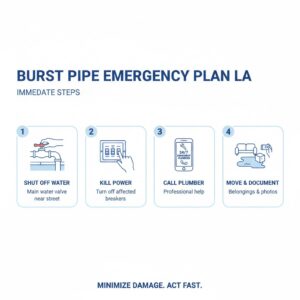
Step 1: Turn Off the Main Water Supply
Immediately shut off the property’s main water valve to stop water flow.
Step 2: Turn Off Electrical Power (If Necessary)
If water is approaching electrical outlets, appliances, or wiring, switch off electricity to the affected area only if it is safe to do so.
Step 3: Drain Remaining Water
Open nearby faucets to relieve pressure and allow remaining water to drain from the system.
Step 4: Protect Furniture and Belongings
Move valuable items away from the affected area and use towels or buckets to collect excess water where possible.
Step 5: Contact a Professional Plumber
Avoid attempting major pipe repairs yourself. Instead, arrange emergency plumbing assistance to diagnose the problem and restore the system safely.
Repair or Replace: How to Decide
One of the most common questions property owners ask is whether they should repair a leaking pipe or replace it entirely.
The answer depends on factors such as the pipe’s age, the extent of the damage, and the frequency of previous repairs.
Quick Decision Guide
Small Leak?
     │
 Yes │ No
     ▼
Repair Pipe
     │
     ▼
Recurring Problem?
     │
Yes ▼ No
Replace Pipe
Repair vs Replacement Comparison
| Factor | Pipe Repair | Pipe Replacement |
| Initial Cost | Lower | Higher |
| Completion Time | Faster | Longer |
| Best For | Minor localized damage | Aging or heavily damaged pipes |
| Long-Term Reliability | Moderate | Excellent |
| Future Maintenance | May require additional repairs | Typically lower maintenance |
| Return on Investment | Good for isolated issues | Better for long-term performance |
If leaks continue to occur in the same area or throughout the plumbing system, replacing the affected pipe sections is often the more economical long-term solution.
Estimated Plumbing Costs in Dubai
Understanding typical service costs helps property owners budget for preventive maintenance rather than waiting for emergency repairs.
Estimated Market Prices
| Plumbing Service | Estimated Cost (AED) |
| Plumbing Inspection | 250–600 |
| Leak Detection | 350–900 |
| Pipe Repair | 300–1,500 |
| Pipe Replacement | 1,000–6,000+ |
| Drain Cleaning | 250–900 |
| Pressure Testing | 400–1,200 |
| Smart Leak Detector Installation | 600–2,500 |
| Emergency Plumbing Service | 400–2,000+ |
| Annual Plumbing Maintenance | 1,200–4,500 |
Note: These are estimated market ranges in Dubai. Final pricing depends on property size, accessibility, pipe material, labour requirements, and the complexity of the repair.
Pipe Materials Comparison
Selecting the right pipe material plays a major role in reducing future leaks and maintenance costs.
| Material | Lifespan | Corrosion Resistance | Cost | Best For |
| Copper | 50+ Years | Excellent | Higher | Premium residential and commercial properties |
| PEX | 40–50 Years | Excellent | Moderate | Modern homes and renovations |
| PVC | 25–40 Years | Very Good | Budget-Friendly | Drainage and cold-water systems |
Each material has its own advantages, and the ideal choice depends on your property’s plumbing requirements, budget, and long-term maintenance goals.
DIY vs Professional Plumbing
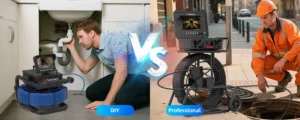
Many homeowners attempt small plumbing repairs themselves. While replacing a washer or tightening a fitting may be manageable, larger repairs should always be handled by qualified professionals.
| Factor | DIY Plumbing | Professional Plumbing |
| Initial Cost | Lower | Higher |
| Safety | Moderate | High |
| Repair Quality | Varies | Consistent |
| Hidden Leak Detection | Limited | Advanced Equipment |
| Long-Term Reliability | Moderate | Excellent |
| Warranty | None | Often Available |
For anything beyond minor maintenance, professional plumbing services reduce risks and help ensure repairs are completed correctly the first time.
Preventive Plumbing Maintenance vs Emergency Repairs
One of the biggest misconceptions among property owners is that postponing plumbing maintenance saves money. In reality, neglecting small issues often leads to larger and more expensive repairs. A proactive maintenance plan helps identify potential problems before they develop into emergencies, reducing both downtime and repair costs.
For homeowners, preventive maintenance provides peace of mind and protects the value of the property. For commercial buildings, hotels, restaurants, offices, and retail spaces, regular plumbing inspections also help minimize business disruptions caused by unexpected leaks or water damage.
Preventive Maintenance vs Emergency Repairs
| Factor | Preventive Maintenance | Emergency Repairs |
|---|---|---|
| Cost | Lower and predictable | Often higher due to urgent repairs |
| Property Damage | Minimal | Can be extensive |
| Water Waste | Reduced | Often significant before detection |
| Downtime | Minimal | May disrupt daily activities or business operations |
| Pipe Lifespan | Extended | Shortened due to repeated failures |
| Stress Level | Low | High |
| Long-Term Savings | Excellent | Limited |
The table clearly shows that investing in preventive plumbing maintenance is generally more cost-effective than waiting for an emergency. Additionally, regular maintenance improves the reliability of your plumbing system and reduces the likelihood of unexpected breakdowns.
How Pipe Leak Prevention Helps Reduce Water Bills
Besides protecting your property, preventing leaks can also lower your monthly water expenses.
Even a slow, unnoticed leak can waste a surprising amount of water over time. When multiple fixtures or hidden pipes develop small leaks, the combined water loss can significantly increase utility bills.
By maintaining your plumbing system, you can:
- Prevent unnecessary water wastage
- Improve plumbing efficiency
- Reduce monthly utility expenses
- Extend the lifespan of fixtures and appliances
- Lower future repair costs
Simple Ways to Save Water
- Repair dripping faucets immediately.
- Install water-efficient fixtures.
- Upgrade to dual-flush toilets.
- Use low-flow showerheads.
- Monitor your monthly water bills for unusual increases.
- Turn off taps when not in use.
- Schedule annual plumbing inspections.
- Install smart leak detection devices.
These simple habits not only help conserve water but also contribute to lower operating costs for both residential and commercial properties.
Frequently Overlooked Causes of Pipe Leaks
While most people recognize obvious plumbing problems, several lesser-known issues can also contribute to leaks over time.
Some commonly overlooked causes include:
Improper Pipe Supports
Pipes that are not properly secured may shift or vibrate during daily use. Over time, this movement places stress on joints and fittings, increasing the risk of leaks.
Hard Water Mineral Deposits
Dubai’s water supply can contain minerals that gradually accumulate inside pipes and fixtures. These deposits may restrict water flow, increase pressure, and reduce the efficiency of plumbing components.
Periodic inspections and maintenance help manage mineral buildup before it becomes a significant issue.
Faulty Appliance Connections
Dishwashers, washing machines, and water heaters rely on flexible hoses and connection points that naturally wear over time.
Regularly inspecting these connections can help prevent unexpected leaks and water damage.
Damaged Sealants Around Fixtures
Sealants around sinks, bathtubs, showers, and toilets gradually deteriorate due to constant moisture exposure.
Replacing worn sealant when necessary helps prevent water from seeping into walls and flooring.
Ignoring Small Plumbing Issues
One of the most expensive mistakes is assuming that a minor leak will resolve itself.
In most cases, small plumbing problems worsen over time, leading to:
- Structural damage
- Mould growth
- Damaged flooring
- Higher repair costs
- Increased water consumption
Prompt repairs are almost always more affordable than major restoration work.
Everyday Habits That Help Prevent Pipe Leaks
Good plumbing maintenance is not limited to professional inspections. Everyday habits also play an important role in protecting your plumbing system.
Consider adopting the following practices:
- Avoid disposing of grease, oil, or food waste down kitchen sinks.
- Use drain strainers in kitchens and bathrooms.
- Do not flush non-flushable items down toilets.
- Check under sinks regularly for signs of moisture.
- Monitor outdoor taps and irrigation systems.
- Keep an eye on your water meter if you suspect a hidden leak.
- Schedule routine plumbing inspections, especially in older properties.
- Replace worn hoses connected to washing machines and dishwashers every few years.
- Address unusual plumbing noises without delay.
Although these steps are simple, they can significantly reduce the risk of leaks and extend the lifespan of your plumbing system.
Why Choose Sahab Tech Group LLC?
When it comes to protecting your property from costly plumbing issues, experience and reliability matter. At Sahab Tech Group LLC, we provide professional plumbing solutions designed to prevent problems before they become emergencies.
With 15+ years of industry experience, we have helped homeowners, businesses, and property managers across Dubai maintain safe, efficient, and dependable plumbing systems.

Our Plumbing Services Include
- Plumbing inspections
- Water leak detection
- Pipe repair and replacement
- Preventive plumbing maintenance
- Drain cleaning services
- Emergency plumbing support
- Water pressure testing
- Smart leak detection system installation
- Bathroom plumbing upgrades
- Complete residential and commercial plumbing solutions
Whether you need a routine inspection, a pipe replacement, or urgent plumbing assistance, our experienced technicians are equipped to deliver practical, long-lasting solutions.
Why Property Owners Trust Us
| Feature | Benefit |
| 15+ Years of Experience | Proven expertise in residential and commercial plumbing |
| Qualified Technicians | Skilled professionals using modern tools and techniques |
| Preventive Maintenance Solutions | Helping reduce future repair costs |
| Advanced Leak Detection | Early identification of hidden plumbing issues |
| Transparent Service | Clear communication and reliable recommendations |
| Comprehensive Plumbing Support | From inspections to complete pipe replacement |
| Dubai-Wide Coverage | Prompt service across residential and commercial properties |
Our goal is to provide reliable plumbing services that help clients avoid unnecessary repairs while ensuring their plumbing systems remain efficient and dependable.
Ready to Protect Your Property from Pipe Leaks?
Preventing pipe leaks is always easier and more affordable than repairing the damage they can cause. Whether you’re maintaining a home, apartment, villa, office, hotel, restaurant, or commercial property, regular inspections and timely maintenance can save you time, money, and unnecessary stress.
If you’ve noticed warning signs such as rising water bills, damp walls, reduced water pressure, or unusual plumbing noises, don’t wait for a small issue to become a major repair. Following these plumbing steps helps property owners learn how to prevent pipe leaks effectively.
📞 Contact Sahab Tech Group LLC Today
Call +971 56 756 7243 to schedule a professional plumbing inspection, leak detection service, preventive maintenance visit, or expert pipe repair anywhere in Dubai. Our experienced team is ready to help you protect your property with reliable and cost-effective plumbing solutions.
Conclusion
Understanding How to Prevent Pipe Leaks is one of the best ways to protect your property, reduce water waste, and avoid costly emergency repairs. By recognizing the common causes of leaks, identifying early warning signs, and following a consistent maintenance routine, property owners can significantly extend the lifespan of their plumbing systems.
Simple actions such as monitoring water pressure, cleaning drains, inspecting exposed pipes, replacing aging components, and scheduling professional inspections can make a substantial difference over time. Moreover, investing in preventive maintenance is often far more economical than dealing with extensive water damage after a leak occurs.
Whether you own a residential property or manage a commercial facility, taking a proactive approach to plumbing care helps ensure your water system remains safe, efficient, and reliable. With expert guidance and professional support from Sahab Tech Group LLC, you can keep your plumbing in excellent condition while avoiding unnecessary disruptions and repair expenses.
FAQs
1. What is the best way to prevent pipe leaks?
The most effective approach is to combine regular plumbing inspections, proper water pressure management, routine drain cleaning, timely repairs, and professional preventive maintenance. Addressing small issues early greatly reduces the risk of major leaks.
2. How often should I have my plumbing system inspected?
For most residential properties, a professional inspection once a year is sufficient. Older buildings, commercial properties, hotels, and restaurants may benefit from inspections every six months, depending on usage and the age of the plumbing system.
3. What are the first signs of a hidden pipe leak?
Common warning signs include unusually high water bills, damp walls or ceilings, mouldy odours, reduced water pressure, water stains, peeling paint, and the sound of running water when no fixtures are in use.
4. Should I repair or replace a leaking pipe?
If the leak is isolated and the pipe is in good condition, a repair is often sufficient. However, if the pipe is old, corroded, or has experienced repeated failures, replacement is usually the better long-term solution.
5. Can high water pressure damage my plumbing system?
Yes. Excessively high water pressure places continuous stress on pipes, fittings, valves, and appliances. Installing a pressure-reducing valve and monitoring water pressure can help prevent long-term damage.
6. Are smart leak detectors worth installing?
Smart leak detection systems can provide early warnings of hidden leaks, helping to minimize water damage and reduce repair costs. They are particularly beneficial for villas, holiday homes, commercial buildings, and properties that are unoccupied for extended periods.
7. Why choose Sahab Tech Group LLC for plumbing services in Dubai?
With more than 15 years of experience, Sahab Tech Group LLC offers professional plumbing inspections, leak detection, preventive maintenance, pipe repair, emergency plumbing, and complete plumbing solutions for residential and commercial properties across Dubai. Our commitment to quality workmanship, timely service, and customer satisfaction makes us a trusted partner for protecting your property’s plumbing system.