
What Is Civil Work? Everything Property Owners Need to Know
Whether you’re building a new home, renovating an office, repairing structural damage, or upgrading a commercial property, you’ve likely come across the term civil work. However, many property owners are unsure about what it actually includes and why it’s such an essential part of construction and property maintenance.
Definition of Civil Work
Simply put, What Is Civil Work? Civil work refers to the construction, repair, maintenance, and improvement of a building’s physical structure and supporting infrastructure. It covers a wide range of services, including masonry, concrete work, block work, plastering, flooring, waterproofing, structural repairs, demolition, and site preparation. These services form the foundation of safe, durable, and functional residential, commercial, and industrial properties.
Civil work is much more than building walls or pouring concrete. It ensures that every part of a property remains structurally sound, visually appealing, and capable of meeting modern safety and performance standards. From repairing damaged concrete to constructing new partitions or waterproofing foundations, civil work plays a critical role throughout a property’s lifecycle.
For homeowners, timely civil work helps preserve property value and reduces the risk of costly repairs. For businesses and commercial property owners, it improves operational safety, enhances aesthetics, and supports long-term durability. Consequently, investing in professional Civil Work Services is not only about solving current problems but also about preventing future ones.
In this comprehensive guide, you’ll learn everything you need to know about civil work, including its different types, common services, materials, estimated costs, and the importance of hiring an experienced Civil Contractor Dubai. You’ll also discover how regular Civil Maintenance protects your investment and contributes to the long-term performance of your property.
At Sahab Tech Group LLC, we provide complete civil construction, repair, renovation, and maintenance solutions across Dubai. With over 15 years of industry experience, our team delivers high-quality workmanship for residential, commercial, and industrial projects, ensuring every property is built and maintained to the highest standards.
Why Civil Work Is Important for Every Property
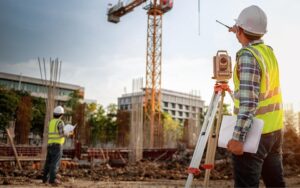
Every building experiences natural wear and tear over time. Daily usage, environmental conditions, moisture, structural movement, and aging materials gradually affect the condition of walls, floors, ceilings, foundations, and other structural components. Without regular maintenance and timely repairs, these small issues can develop into expensive structural problems.
This is where professional Civil Work Services become essential.
Rather than waiting for major damage to occur, property owners can use preventive civil maintenance to identify and resolve issues early. As a result, buildings remain safer, more functional, and more valuable over the long term.
For example, repairing a small wall crack today is far more affordable than rebuilding an entire damaged section later. Likewise, waterproofing exposed areas before leaks develop can prevent costly water damage, mould growth, and structural deterioration.
Civil work also plays an important role during renovation projects. Whether you’re upgrading a villa, remodeling an office, or renovating an apartment, many improvements begin with essential civil work such as demolition, block work, plastering, flooring, or structural modifications.
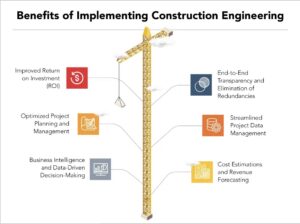
Key Benefits of Professional Civil Work
| Benefit | Why It Matters |
|---|---|
| Improved Structural Safety | Strengthens buildings and reduces safety risks |
| Longer Building Lifespan | Extends the service life of structural components |
| Higher Property Value | Enhances market appeal and resale potential |
| Reduced Maintenance Costs | Prevents small issues from becoming major repairs |
| Better Functionality | Supports renovations, layout changes, and modern upgrades |
| Improved Appearance | Creates clean, durable, and attractive finishes |
| Water Damage Protection | Waterproofing and repairs help prevent moisture-related issues |
| Compliance with Standards | Helps ensure construction follows accepted practices and regulations |
By investing in regular civil maintenance, property owners not only protect their investment but also create safer, more comfortable spaces for occupants.
Types of Civil Work
Civil work covers a broad range of construction and maintenance activities. Although the exact scope varies depending on the project, most civil work falls into three primary categories.
1. Residential Civil Work
Residential civil work focuses on homes and residential communities, including:
- Villas
- Apartments
- Townhouses
- Residential compounds
- Holiday homes
Typical residential projects include:
- Wall construction
- Block work
- Flooring installation
- Tile installation
- Concrete repairs
- Waterproofing
- Bathroom preparation
- Kitchen structural modifications
- Driveway construction
- Boundary walls
These services improve both the functionality and appearance of residential properties while increasing their long-term value.
2. Commercial Civil Work
Commercial buildings often experience heavier daily usage than residential properties. Consequently, they require durable construction and regular maintenance.
Commercial civil work commonly includes:
- Office renovations
- Retail fit-outs
- Warehouse repairs
- Shopping centre maintenance
- Restaurant upgrades
- Hotel renovations
- Commercial flooring
- Concrete restoration
- Structural strengthening
Professional commercial civil work helps businesses maintain safe environments while minimizing operational disruptions.
3. Industrial Civil Work
Industrial facilities require specialized civil construction capable of supporting heavy machinery, production equipment, and demanding operational conditions.
Examples include:
- Factory flooring
- Equipment foundations
- Industrial concrete repairs
- Structural reinforcement
- Drainage systems
- Loading bay construction
- Heavy-duty pavements
- Warehouse infrastructure
Because industrial projects often involve strict engineering and safety requirements, experienced contractors are essential for successful execution.
Residential vs Commercial vs Industrial Civil Work
| Feature | Residential | Commercial | Industrial |
| Primary Purpose | Homes and living spaces | Business operations | Manufacturing and industrial use |
| Project Size | Small to medium | Medium to large | Large-scale |
| Structural Requirements | Standard | Moderate to high | Heavy-duty |
| Materials Used | Residential-grade | Commercial-grade | Industrial-grade |
| Maintenance Needs | Periodic | Frequent | Continuous |
| Complexity | Moderate | High | Very High |
Understanding these categories helps property owners choose the right contractor and construction approach for their specific requirements.

Common Civil Work Services
Civil work encompasses many specialized services that contribute to the construction, repair, and maintenance of buildings. While every project is unique, the following services are among the most commonly requested across Dubai.
Block Work
Block work involves constructing walls, partitions, and structural elements using concrete blocks or cement blocks.
Applications include:
- New room construction
- Boundary walls
- Partition walls
- Villa extensions
- Commercial interiors
Block work provides excellent durability while supporting efficient construction.
Masonry Work
Masonry combines bricks, blocks, stone, and mortar to create durable structural and decorative elements.
Typical masonry projects include:
- Boundary walls
- Garden walls
- Decorative stone features
- Structural walls
- Exterior facades
Quality masonry improves both strength and visual appeal.
Concrete Repair
Over time Concrete naturally deteriorates over time due to weather exposure, moisture, heavy loads, and aging.
These repair services may involve:
- Crack repairs
- Surface restoration
- Reinforcement treatment
- Concrete patching
- Structural strengthening
Timely repairs help preserve the integrity of buildings while reducing long-term maintenance costs.
Plastering
Plastering creates smooth, even surfaces that prepare walls and ceilings for painting or decorative finishes.
Benefits include:
- Improved appearance
- Surface protection
- Better paint adhesion
- Crack concealment
- Moisture resistance
Professional plastering contributes to a polished and durable finish.
Flooring Installation
Flooring is a major component of both residential and commercial construction.
Popular options include:
- Ceramic tiles
- Porcelain tiles
- Marble
- Granite
- Vinyl flooring
- Epoxy flooring
- Concrete flooring
Choosing the right flooring depends on the property’s purpose, budget, and design preferences.
Tile Installation
Proper tile installation enhances durability while improving the overall appearance of kitchens, bathrooms, living areas, offices, and commercial spaces.
Common tile applications include:
- Bathroom walls
- Bathroom floors
- Kitchen backsplashes
- Living room flooring
- Outdoor pathways
- Commercial reception areas
Accurate installation ensures long-lasting performance and easier maintenance.
Waterproofing
Waterproofing protects buildings from moisture intrusion and water damage.
Common waterproofing applications include:
- Roofs
- Terraces
- Basements
- Bathrooms
- Balconies
- Foundations
- Water tanks
Effective waterproofing helps prevent leaks, mould, corrosion, and structural deterioration.
Demolition
Before renovation or reconstruction begins, existing structures often need to be safely removed.
Civil demolition services include:
- Interior demolition
- Wall removal
- Floor removal
- Ceiling demolition
- Concrete breaking
- Site clearance
Controlled demolition ensures the site is properly prepared for the next phase of construction.
Wall Construction
Wall construction remains one of the most fundamental civil work services.
Projects may involve:
- Load-bearing walls
- Partition walls
- Decorative walls
- Boundary walls
- Garden walls
Proper wall construction supports both structural stability and efficient space planning.
Structural Repair
Structural repairs restore damaged components to maintain the safety and integrity of a building.
Typical repairs include:
- Beam strengthening
- Column repair
- Foundation stabilization
- Crack injection
- Concrete restoration
- Steel reinforcement
Professional structural repair helps extend the lifespan of buildings while ensuring occupant safety.
Civil Maintenance
Routine Civil Maintenance focuses on preserving the condition of a property through planned inspections and repairs.
Maintenance services may include:
- Crack repairs
- Surface restoration
- Waterproofing maintenance
- Concrete inspections
- Wall repairs
- Floor repairs
- Joint sealing
- Preventive maintenance programs
Rather than waiting for significant damage, scheduled maintenance helps identify and resolve problems before they escalate.
Most Requested Civil Work Services
| Civil Work Service | Typical Applications |
| Block Work | Walls, partitions, extensions |
| Masonry | Structural and decorative construction |
| Concrete Repair | Cracks, damaged slabs, restoration |
| Plastering | Wall and ceiling finishing |
| Flooring | Residential and commercial floors |
| Tile Installation | Kitchens, bathrooms, offices |
| Waterproofing | Roofs, basements, terraces |
| Demolition | Renovation and reconstruction |
| Wall Construction | Residential and commercial buildings |
| Structural Repair | Foundations, beams, columns |
| Civil Maintenance | Preventive building care |
At Sahab Tech Group LLC, these civil work services are often combined with complementary solutions such as Property Maintenance, Bathroom Renovation, Interior Design, Plumbing Services, HVAC Maintenance, and Electrical Services. Integrating these services under one experienced team simplifies project management, improves quality control, and helps property owners complete renovation or maintenance projects more efficiently.
Civil Work Process
Every successful civil work project follows a structured process to ensure quality, safety, and long-term durability. Whether the project involves repairing a damaged wall, constructing a new office partition, waterproofing a building, or completing a full property renovation, careful planning and proper execution are essential.
Although the scope of each project varies, most professional Civil Work Services follow the same step-by-step approach.
Step 1: Site Inspection
Every project begins with a detailed site inspection.
During this stage, civil engineers or project specialists evaluate:
- Current property condition
- Structural stability
- Existing damage
- Drainage systems
- Concrete condition
- Wall alignment
- Floor levels
- Waterproofing issues
A comprehensive inspection helps identify potential challenges before construction begins.
Step 2: Planning & Assessment
After the inspection, a detailed project plan is prepared.
This includes:
- Scope of work
- Material requirements
- Labour estimation
- Safety planning
- Budget estimation
- Project schedule
Proper planning minimizes delays and helps ensure the project stays within budget.
Step 3: Material Selection
Selecting the right materials is one of the most important factors in achieving durable results.
Depending on the project, materials may include:
- Cement
- Concrete
- Steel reinforcement
- Concrete blocks
- Bricks
- Sand
- Aggregates
- Waterproofing membranes
- Adhesives
- Floor finishes
- Tile grout
- Sealants
Using quality materials improves structural performance while reducing future maintenance costs.
Step 4: Civil Construction or Repair
Once planning is complete, the construction team begins the actual work.
Depending on the project, this stage may involve:
- Demolition
- Excavation
- Block work
- Masonry
- Concrete pouring
- Structural repairs
- Plastering
- Flooring installation
- Waterproofing
- Wall construction
Throughout construction, experienced supervisors monitor workmanship to maintain quality standards.
Step 5: Quality Inspection
After construction is complete, every area is carefully inspected.
Typical inspections include:
- Surface finishing
- Structural alignment
- Material quality
- Waterproofing performance
- Floor leveling
- Crack inspection
- Overall workmanship
Any minor defects identified during this stage are corrected before handover.
Step 6: Project Handover
The final stage includes:
- Site cleaning
- Final walkthrough
- Client inspection
- Maintenance recommendations
- Project completion
Only after these steps are completed is the project officially handed over.
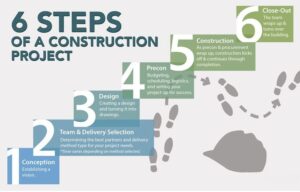
Civil Work Project Workflow
Property Inspection
        │
        ▼
Planning & Assessment
        │
        ▼
Material Selection
        │
        ▼
Civil Construction / Repair
        │
        ▼
Quality Inspection
        │
        ▼
Project Completion
Following this structured process helps ensure that every civil work project is completed efficiently while maintaining high standards of quality and safety.
Materials Used in Civil Work
The durability of any construction project depends heavily on the quality of the materials used. Choosing appropriate materials not only improves structural performance but also reduces maintenance requirements over time.
Below are some of the most common materials used in Civil Construction and Civil Repair Services.
Cement
Cement acts as the primary binding material in construction.
It is widely used for:
- Concrete
- Mortar
- Plastering
- Flooring
- Structural repairs
High-quality cement contributes to stronger and longer-lasting structures.
Concrete
Concrete is one of the most versatile construction materials.
Applications include:
- Foundations
- Columns
- Beams
- Slabs
- Driveways
- Sidewalks
- Industrial flooring
Its strength and durability make it suitable for both residential and commercial projects.
Steel Reinforcement
Steel bars reinforce concrete structures by increasing their tensile strength.
They are commonly used in:
- Foundations
- Columns
- Roof slabs
- Retaining walls
- Structural beams
Proper reinforcement significantly improves structural stability.
Concrete Blocks
Concrete blocks are lightweight, durable, and cost-effective.
They are frequently used for:
- Boundary walls
- Interior partitions
- Exterior walls
- Building extensions
Their excellent thermal and sound insulation properties make them popular throughout Dubai.
Bricks
Bricks continue to be widely used in decorative and structural masonry.
Benefits include:
- Durability
- Fire resistance
- Attractive appearance
- Low maintenance
Waterproofing Materials
Professional waterproofing systems may include:
- Bituminous membranes
- Cementitious coatings
- Liquid waterproofing membranes
- Polyurethane coatings
- Protective sealants
These materials protect buildings from moisture penetration and water damage.
Flooring Materials
Popular flooring materials include:
- Porcelain tiles
- Ceramic tiles
- Marble
- Granite
- Vinyl
- Epoxy
- Polished concrete
Each material offers different advantages depending on the property’s function and budget.
Sealants and Adhesives
These materials help ensure:
- Strong tile adhesion
- Waterproof joints
- Flexible movement joints
- Long-lasting finishes
Using premium adhesives reduces the likelihood of future repairs.
Common Civil Construction Materials
| Material | Primary Use | Key Benefit |
|---|---|---|
| Cement | Concrete & mortar | Strong bonding |
| Concrete | Structural work | High durability |
| Steel | Reinforcement | Increased strength |
| Concrete Blocks | Walls | Cost-effective construction |
| Bricks | Masonry | Long lifespan |
| Waterproofing Membranes | Moisture protection | Leak prevention |
| Tiles | Flooring & walls | Attractive finishes |
| Sealants | Joints | Water resistance |
How to Choose a Reliable Civil Contractor
Selecting the right contractor can make the difference between a successful project and costly repairs in the future.
Rather than focusing solely on price, property owners should evaluate a contractor’s experience, workmanship, and overall professionalism.
Look for Proven Experience
Choose a contractor with several years of experience handling residential, commercial, and industrial civil work projects.
Experienced contractors are better equipped to:
- Solve construction challenges
- Recommend practical solutions
- Deliver consistent workmanship
- Complete projects efficiently
Review Previous Projects
A reputable contractor should be able to showcase completed projects similar to yours.
Reviewing previous work helps assess:
- Construction quality
- Design standards
- Attention to detail
- Project complexity
Verify Skilled Workforce
Civil work involves multiple trades, including:
- Masons
- Concrete specialists
- Carpenters
- Steel fixers
- Waterproofing technicians
- Tile installers
A qualified workforce improves both project quality and efficiency.
Prioritize Quality Materials
Even excellent workmanship cannot compensate for poor-quality materials.
Ask contractors about:
- Material brands
- Product warranties
- Waterproofing systems
- Flooring options
- Structural components
Quality materials provide better long-term performance.
Transparent Quotations
Professional contractors provide detailed quotations that clearly outline:
- Scope of work
- Material costs
- Labour charges
- Estimated timeline
- Payment schedule
Transparent pricing helps avoid misunderstandings later.
Communication Matters
Good communication keeps projects running smoothly.
Choose contractors who:
- Respond promptly
- Explain technical details clearly
- Provide regular updates
- Address questions professionally
Effective communication often leads to better project outcomes.
Signs Your Property Needs Civil Work
Many building issues begin as small defects that gradually become larger problems.
Recognizing these warning signs early allows property owners to arrange repairs before major structural damage occurs.
Common Signs Include
- Cracks in walls
- Cracked ceilings
- Uneven flooring
- Water seepage
- Peeling paint
- Damp walls
- Concrete deterioration
- Loose floor tiles
- Foundation settlement
- Roof leakage
- Damaged exterior walls
- Rust stains on reinforced concrete
If you notice one or more of these issues, arranging a professional inspection is highly recommended.
Property Inspection Checklist
□ Inspect walls for cracks

□ Check ceilings

□ Examine flooring

□ Look for water damage

□ Inspect waterproofing

□ Assess concrete condition

□ Check exterior walls

□ Inspect drainage

□ Review structural movement
Regular inspections help detect problems before they become expensive structural repairs.
Benefits of Preventive Civil Maintenance
Preventive maintenance is one of the smartest investments property owners can make.
Instead of reacting to damage after it occurs, preventive maintenance focuses on identifying and correcting issues at an early stage.
Major Benefits
Lower Repair Costs
Small repairs typically cost far less than major reconstruction projects.
Longer Building Lifespan
Routine maintenance extends the life of:
- Walls
- Floors
- Foundations
- Concrete structures
- Waterproofing systems
Improved Safety
Maintaining structural components reduces potential safety hazards for occupants and visitors.
Better Property Appearance
Well-maintained buildings create a positive impression for:
- Homeowners
- Visitors
- Customers
- Tenants
- Investors
Increased Property Value
Properties with documented maintenance records generally maintain stronger resale value.
Improved Operational Efficiency
Commercial properties benefit from fewer unexpected disruptions caused by structural failures or emergency repairs.
Civil Maintenance vs Reactive Repairs
| Preventive Civil Maintenance | Reactive Repairs |
| Planned inspections | Emergency response |
| Lower annual costs | Higher repair expenses |
| Fewer disruptions | Unexpected downtime |
| Longer building lifespan | Accelerated deterioration |
| Improved safety | Increased structural risk |
| Better long-term value | Reduced property value |
The comparison clearly demonstrates why preventive maintenance is often the more economical and practical approach for both residential and commercial property owners.
At Sahab Tech Group LLC, preventive civil maintenance is integrated with related services such as Property Maintenance, Waterproofing, Bathroom Renovation, Interior Design, Plumbing Services, HVAC Maintenance, and Electrical Services. This comprehensive approach allows clients to manage multiple property improvement needs through a single experienced team, ensuring consistent quality, efficient coordination, and long-term value.
Estimated Civil Work Costs in Dubai
One of the first questions property owners ask before starting a construction or renovation project is, “How much does civil work cost in Dubai?” While there is no single answer, understanding the average market rates can help you plan your budget more effectively.
The final cost of any Civil Work Services project depends on several factors, including:
- Property size
- Scope of work
- Material quality
- Labour requirements
- Accessibility of the site
- Structural complexity
- Project timeline
- Finishing standards
For example, repairing a small wall crack will naturally cost much less than reconstructing an entire structural wall or carrying out extensive waterproofing for a villa.
The following table provides estimated market price ranges for common civil work services in Dubai.
Estimated Civil Work Pricing in Dubai (2026)
| Civil Work Service | Estimated Cost (AED) |
|---|---|
| Site Inspection | 250 – 700 |
| Masonry Work | 800 – 4,000+ |
| Block Work | 70 – 150 per sq. m. |
| Concrete Repair | 500 – 5,000+ |
| Wall Plastering | 30 – 80 per sq. m. |
| Tile Installation | 60 – 180 per sq. m. |
| Marble Flooring Installation | 180 – 450 per sq. m. |
| Ceramic Floor Installation | 80 – 180 per sq. m. |
| Waterproofing Services | 25 – 120 per sq. m. |
| Boundary Wall Construction | 350 – 900 per linear meter |
| Concrete Floor Repair | 1,000 – 8,000+ |
| Structural Crack Repair | 600 – 4,500+ |
| Demolition Services | 15 – 60 per sq. m. |
| Civil Maintenance Visit | 350 – 1,200 |
| Complete Civil Renovation | Starting from 8,000+ |
Note: These figures are estimated market prices in Dubai. Actual costs vary depending on the property’s condition, engineering requirements, selected materials, labour rates, and project complexity.
Factors That Affect Civil Work Costs
Understanding the factors that influence pricing helps property owners make informed decisions and avoid unexpected expenses.
1. Property Size
Larger villas, warehouses, office buildings, and commercial facilities require more materials, labour, and time, which increases the overall project cost.
2. Material Selection
Premium materials generally have a higher upfront cost but often provide better durability and lower maintenance expenses over the long term.
Examples include:
- Premium waterproofing systems
- High-strength concrete
- Natural stone flooring
- High-grade reinforcement steel
- Luxury tile finishes
3. Labour Requirements
Projects involving demolition, structural reinforcement, or custom construction typically require experienced specialists, increasing labour costs.
4. Project Complexity
Straightforward repairs are generally less expensive than projects involving:
- Structural modifications
- Foundation repairs
- Large-scale demolition
- Multi-storey construction
- Commercial renovations
5. Site Accessibility
Properties with limited access may require additional equipment or manual labour, affecting the final quotation.
Civil Work vs Structural Work
Many people mistakenly use these terms interchangeably, but they are not identical.
Civil work is a broad category that includes construction, repairs, finishing, maintenance, and infrastructure improvements. Structural work, on the other hand, specifically focuses on the load-bearing components that support the building.
| Civil Work | Structural Work |
| Covers a wide range of construction activities | Focuses on structural integrity |
| Includes flooring, plastering, masonry, waterproofing, and repairs | Includes beams, columns, slabs, and foundations |
| Suitable for renovation and maintenance | Required when structural safety is affected |
| Often improves appearance and functionality | Primarily improves strength and stability |
Although structural work is a specialized branch of civil work, many projects involve both disciplines.
Civil Work vs Renovation
Another common question from property owners is whether civil work and renovation are the same.
The answer is no.
Renovation is the overall process of upgrading or modernizing a property, while civil work provides the structural and construction foundation that makes those improvements possible.
| Civil Work | Renovation |
| Repairs and builds structural elements | Upgrades the appearance and functionality of a property |
| Includes block work, plastering, flooring, and waterproofing | May include interior design, painting, lighting, and décor |
| Focuses on construction quality | Focuses on the finished living or working environment |
| Often completed before finishing work begins | Typically follows structural and civil work |
For example, before installing a new luxury bathroom, civil work may involve demolishing existing walls, preparing plumbing routes, waterproofing the area, and levelling the floor. Only after these tasks are complete can the renovation proceed with tiles, sanitary fixtures, and decorative finishes.
Repair vs Reconstruction
Property owners often wonder whether repairing damaged sections is enough or whether complete reconstruction is the better option.
The answer depends on the extent of the damage.
Quick Decision Guide
Property Damage
       │
       ▼
Minor Damage?
   │          │
  Yes        No
   │          │
Repair     Structural Assessment
               │
               ▼
      Extensive Damage?
          │         │
         No        Yes
          │         │
      Major Repair  Reconstruction
Comparison Table
| Factor | Repair | Reconstruction |
| Initial Cost | Lower | Higher |
| Project Duration | Shorter | Longer |
| Suitable For | Minor defects | Severe deterioration |
| Long-Term Solution | Moderate | Excellent |
| Structural Improvement | Limited | Comprehensive |
| Return on Investment | Good | Excellent for aging properties |
A professional assessment helps determine the most cost-effective and safest solution for your property.
DIY vs Professional Civil Work
With the popularity of online tutorials, some homeowners consider handling civil work themselves. While simple cosmetic tasks may be manageable, structural construction and repairs require professional expertise.
| DIY Civil Work | Professional Civil Work |
| Lower initial cost | Higher initial investment |
| Limited technical knowledge | Experienced civil specialists |
| Basic tools | Professional equipment |
| Greater risk of errors | Higher construction accuracy |
| No workmanship warranty | Quality assurance and reliable support |
| Suitable for minor cosmetic tasks | Suitable for all residential and commercial projects |
For projects involving structural repairs, waterproofing, concrete restoration, or wall construction, hiring qualified professionals is the safer and more economical long-term choice.
Why Choose Sahab Tech Group LLC?
Choosing the right contractor is just as important as selecting the right materials. At Sahab Tech Group LLC, we deliver reliable civil work solutions designed to improve the safety, functionality, and value of residential, commercial, and industrial properties across Dubai.
With more than 15 years of industry experience, we have successfully completed projects ranging from small residential repairs to comprehensive building renovations and commercial civil works.

Our Civil Work Services
We offer a complete range of professional solutions, including:
- Masonry and block work
- Concrete repair and restoration
- Wall construction
- Plastering services
- Waterproofing solutions
- Tile and flooring installation
- Structural repair
- Civil maintenance
- Demolition and site preparation
- Residential and commercial renovations
- Property maintenance services
We also provide integrated services that complement civil work projects, including:
- Bathroom Renovation
- Interior Design
- Property Maintenance
- Plumbing Services
- HVAC Services
- Electrical Services
- Waterproofing Solutions
This integrated approach allows property owners to complete multiple improvement projects through a single trusted contractor, simplifying coordination and ensuring consistent quality.
Why Clients Trust Sahab Tech Group LLC
| Feature | Benefit |
| 15+ Years of Experience | Extensive expertise across diverse civil projects |
| Skilled Civil Team | Qualified professionals delivering quality workmanship |
| Complete Project Management | From planning to final handover |
| High-Quality Materials | Durable construction and long-lasting performance |
| Transparent Communication | Clear quotations and regular project updates |
| Residential & Commercial Expertise | Tailored solutions for every property type |
| Dubai-Wide Service Coverage | Reliable support across the emirate |
Our focus is on delivering practical, durable, and cost-effective civil work solutions that meet the unique requirements of every client.
Ready to Start Your Civil Work Project?
Whether you are planning a new construction project, upgrading your property, repairing structural damage, or carrying out preventive maintenance, choosing experienced professionals is essential for achieving lasting results.
At Sahab Tech Group LLC, we are committed to delivering high-quality civil work with attention to detail, reliable project management, and customer-focused service.
📞 Contact Sahab Tech Group LLC Today
Call +971 56 756 7243 to discuss your upcoming civil work project, request a site inspection, or receive a detailed quotation. Our experienced team proudly serves homeowners, businesses, property managers, and developers across Dubai with dependable civil construction, repair, renovation, and maintenance solutions.
Conclusion
Understanding What Is Civil Work is essential for every property owner who wants to maintain a safe, durable, and valuable building. Civil work forms the backbone of construction and property improvement, covering everything from masonry, concrete repair, and waterproofing to structural repairs, flooring, and preventive maintenance.
Whether you own a villa, apartment, office, warehouse, or commercial building, investing in professional Civil Work Services helps prevent costly damage, improves functionality, and extends the lifespan of your property. Moreover, regular inspections and preventive maintenance allow minor issues to be addressed before they develop into expensive structural problems.
Partnering with an experienced Civil Contractor Dubai ensures that every stage of your project—from planning and material selection to construction and quality inspection—is completed to a high professional standard. With the right expertise and a proactive maintenance approach, your property can remain safe, efficient, and visually appealing for many years to come.
FAQs
1. What is civil work?
Civil work refers to the construction, repair, maintenance, and improvement of a building’s physical structure and supporting infrastructure. It includes services such as masonry, block work, concrete repair, plastering, flooring, waterproofing, demolition, and structural maintenance.
2. What services are included in civil work?
Civil work typically includes block work, masonry, wall construction, plastering, concrete repair, waterproofing, flooring installation, demolition, structural repairs, civil maintenance, and other building improvement services.
3. What is the difference between civil work and structural work?
Civil work covers a wide range of construction and maintenance activities, while structural work specifically focuses on load-bearing components such as foundations, beams, columns, and slabs that ensure the building’s structural stability.
4. How much does civil work cost in Dubai?
Civil work costs vary depending on the project type, materials, labour, and complexity. Small repairs may cost a few hundred dirhams, while complete civil renovation projects can range from several thousand dirhams to significantly more for larger or more complex developments.
5. When should I hire a civil contractor?
You should consider hiring a civil contractor when your property requires construction, structural repairs, waterproofing, flooring, masonry, demolition, or major renovation work. Professional contractors help ensure projects are completed safely, efficiently, and to a high standard.
6. How can I tell if my property needs civil work?
Common signs include wall cracks, uneven floors, water seepage, damaged concrete, peeling paint, roof leaks, deteriorating plaster, loose tiles, and visible structural movement. A professional inspection can identify the underlying cause and recommend the appropriate solution.
7. Why should I choose Sahab Tech Group LLC for civil work in Dubai?
With over 15 years of experience, Sahab Tech Group LLC provides comprehensive civil construction, repair, renovation, and maintenance services for residential, commercial, and industrial properties across Dubai. Our skilled team, quality workmanship, transparent communication, and commitment to customer satisfaction make us a trusted choice for civil work projects of all sizes.